
Warehouse condos let contractors and investors own a single industrial bay instead of renting it, with financing that runs through the same programs as any small commercial building. Small-bay industrial is South Florida’s tightest market — vacancy sits near historic lows, and every lease renewal seems to bring a rent bump. Buying your bay as a deeded condo unit locks in the occupancy cost, builds equity, and replaces the landlord with an association. Here is how the purchase gets financed.
What is a warehouse condo?
A warehouse condo is one deeded unit inside an industrial park run by a condominium association — owned the way a residential condo is, but zoned for work. Units typically range from about 1,000 to 5,000 square feet with a roll-up door, a small office, and a bathroom. Contractors, auto and marine shops, distributors, and e-commerce sellers buy them to operate from; investors buy them to lease to those same businesses on triple-net terms.
Why own the bay instead of renting it
The math looks a lot like the office condo decision, with scarcity working in your favor:
- A fixed occupancy cost: your payment replaces a rent that has climbed at every renewal.
- Equity and exit: the unit becomes a retirement asset you can sell to another user or keep leased out.
- Scarcity: small bays near dense neighborhoods rarely sit empty, which protects both value and rentability.
- Right-sized ownership: you buy 2,000 square feet, not a whole 20,000-square-foot building.
Warehouse condos underwrite like residential condos
Because the unit sits in an association, the lender reviews the association, not just the bay. Expect a condo questionnaire covering the budget, reserves, insurance, owner-occupancy mix, and any litigation, plus a read of the declaration for use restrictions — an auto-repair ban matters if that is your tenant’s trade. On top of that, the appraisal weighs the industrial features that drive rent: clear height, loading configuration, three-phase power, and truck access. A healthy association supports full leverage; a weak one pushes warehouse condos toward a lower LTV.
Owner-user or investor: two loan paths
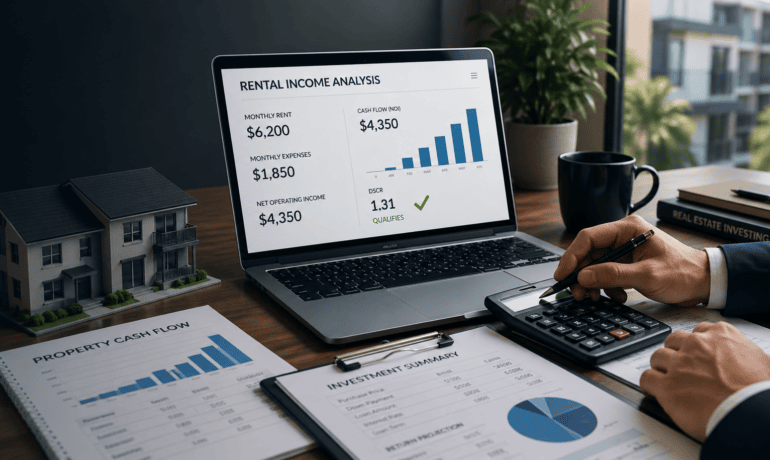
If your own business will occupy at least half the unit, the SBA 504 and 7(a) programs offer down payments near 10 percent and long fixed rates, with full documentation. Investors instead use small-balance commercial loans, which qualify the deal on the lease at 70 to 80 percent of value with coverage near 1.10 to 1.25 — the same structure as broader warehouse financing, with the association file added. Run your numbers through our DSCR calculator before you offer.
A typical deal
A cabinet maker in Pompano Beach pays $3,400 a month for the 2,200-square-foot bay his shop has filled for six years. The unit comes up for sale at $480,000. Since his company occupies all of it, he chooses an SBA 504 loan and closes with roughly 10 percent down. The association’s clean budget and funded reserves kept underwriting smooth, and his all-in payment lands near his old rent — building equity in the bay he was never going to leave anyway.
Ready to own your bay?
Alpha Equity Lending finances warehouse condos across Florida for owner-users and investors, and we handle the association questionnaire before it becomes a surprise. Tell us about the unit through our submit your deal page — in English or Spanish.
By Andres Jara — Alpha Equity Lending (NMLS #1855083). 20+ years in real estate finance, an MS in Finance, and an active South Florida investor and landlord.
