
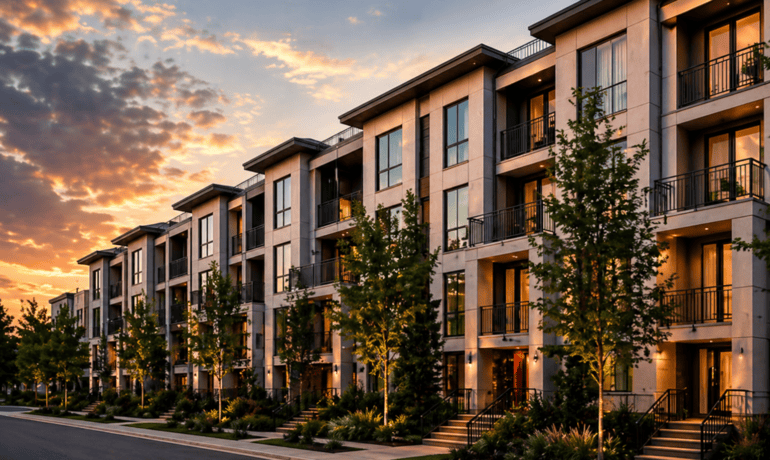
Ground-up construction loans fund the lot and the build in one facility, sized on the project’s cost and completed value — not on your personal income. In Florida markets short on inventory, the new spec home or duplex often carries the best margin an investor can find. Financing the build is more approachable than most first-time builders expect.
What a ground-up construction loan covers
These loans fund three buckets: the land — purchased at closing or paid off if you already own the lot — the hard costs of vertical construction, and soft costs such as permits, plans, impact fees, and builder’s risk insurance. Many programs also set aside an interest reserve, so the project carries its own payments while nothing is rented or sold. Owner-occupants have single-close construction-to-permanent mortgages in the agency world — Fannie Mae publishes those guidelines. Investors use short-term construction bridge loans built for speed.
How ground-up construction loans are sized
Two ratios set the number, and the lender funds to the lower one. Loan-to-cost comes first: many programs advance up to 80 to 85 percent of the total project cost for experienced builders, less on a first build. The cap is the completed value: the loan typically stays near 70 percent of the as-completed appraisal. Terms run 12 to 24 months, interest-only, and most programs charge interest only on the balance you have actually drawn.
What you need to qualify
Underwriting weighs the project file more than your tax returns:
- A shovel-ready package: approved plans, permits or a clear path to them, and a line-item budget with a schedule of values.
- A licensed builder: your own GC license, or a contracted general contractor whose track record the lender can verify.
- Experience — or a partner who has it: completed projects earn the top of the leverage range; first-timers still qualify at lower LTC.
- Reserves and a real exit: cash to float surprises, plus a sale or refinance plan the numbers already support.
Draws, interest, and the exit
Construction money funds in stages. You complete a phase — slab, frame, dry-in, mechanicals, finishes — an inspector verifies it, and the lender releases that draw. The schedule follows the exact budget you submitted, which is why the line items need to be real. Decide the exit before you pour: spec builders sell into the retail market, while build-to-rent investors refinance into a 30-year DSCR loan at the completed value. If you plan to hold, run the projected rent through our DSCR calculator before you buy the lot.
A typical deal
An investor pays $95,000 for an infill lot in Port St. Lucie and prices an 1,850-square-foot spec home at $315,000 in hard and soft costs — $410,000 all-in against a $560,000 completed value. The lender advances 80 percent of cost, $328,000, comfortably under the 70 percent completed-value cap, on a twelve-month term with six inspected draws. He budgets a $15,000 contingency; weather delays consume two months and part of the cushion. The home still sells at $552,000, and the margin survives the slip.
Ready to build in Florida?
Alpha Equity Lending finances ground-up construction loans for spec homes, duplexes, and small multifamily across Florida, and we review the budget and draw schedule with you before closing. Tell us about your project through our submit your deal page — in English or Spanish.
By Andres Jara — Alpha Equity Lending (NMLS #1855083). 20+ years in real estate finance, an MS in Finance, and an active South Florida investor and landlord.
