
Seasoning requirements set how long you must own a property — or hold your cash — before a lender will count it in your loan file. Investors run into these rules most often on cash-out refinances and quick resales. The good news is that seasoning requirements vary widely by lender and loan type. Once you know the clocks, you can plan purchases and refinances around them instead of getting surprised at underwriting.
What seasoning requirements mean
Seasoning is simply time on the record. Lenders use it to confirm that value, funds, and ownership are real and stable. Three clocks matter most: how long you have owned the property, how long your down-payment funds have sat in your account, and how long since the title last changed hands.
Ownership seasoning on cash-out refinances
Most DSCR lenders want three to six months of ownership before a cash-out refinance can use the new appraised value. Before that window closes, many will lend only against your purchase price. Agency loans run longer: Fannie Mae generally requires twelve months of ownership for a cash-out refinance. Consequently, BRRRR investors often choose DSCR loans to pull renovation equity out sooner.
Funds seasoning for your down payment
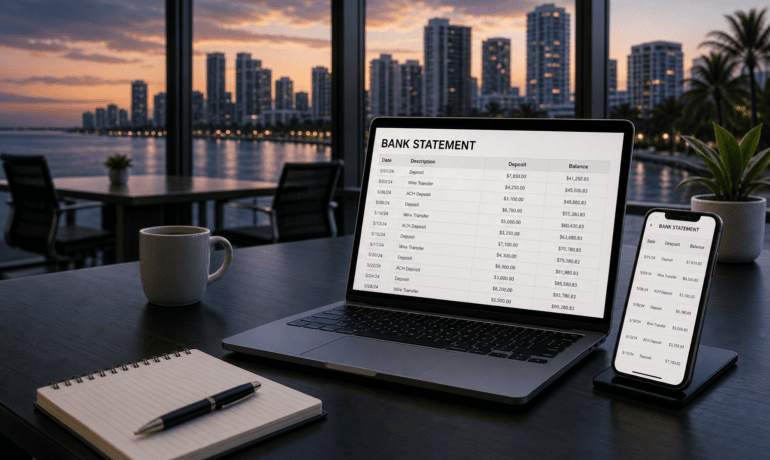
Lenders typically ask for two months of bank statements. Money that has sat in your account for sixty days counts as yours. Large recent deposits must be sourced with a paper trail, and gift funds need a signed letter. Business bank statement and asset-based programs apply the same idea with different documents.
Title seasoning when you sell a flip
Seasoning can also follow the property to your buyer. FHA generally will not insure a purchase resold within ninety days of your acquisition, and resales inside 180 days draw extra appraisal scrutiny. Cash and conventional buyers face fewer limits, so match your exit plan to your resale timeline.
Typical seasoning windows
- DSCR cash-out at new value: commonly 3 to 6 months of ownership; some lenders go shorter with documented rehab.
- Agency cash-out: usually 12 months of ownership.
- Down-payment funds: 60 days in your account, or fully sourced with a paper trail.
- FHA flip rule for your buyer: no resale within 90 days; extra review up to 180 days.
A typical deal
An investor buys a dated Tampa duplex for $240,000 in cash and spends $50,000 on renovations. Both units rent quickly for a combined $3,600 a month. At month six, a DSCR lender orders an appraisal that comes in at $400,000 and offers 75 percent LTV. The $300,000 cash-out repays nearly the entire investment, and the rents cover the new payment at about a 1.28x DSCR — run your own numbers with our DSCR calculator. The investor keeps the property, the cash, and the momentum.
Plan your refinance around the clock
Alpha Equity Lending matches Florida and nationwide investors with lenders whose seasoning requirements fit their timeline. Tell us your purchase date, rehab budget, and rents through our submit your deal page, and we will map your fastest path to cash-out — in English or Spanish.
By Andres Jara — Alpha Equity Lending (NMLS #1855083). 20+ years in real estate finance, an MS in Finance, and an active South Florida investor and landlord.
